
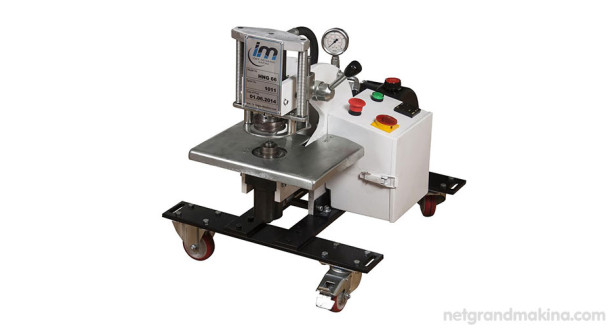
HNG-66 HİDROLİK TIR KAPSÜL ÇAKMA MAKİNASI (SEHPALI)

Özellikler: • Yuvarlak ve oval tır kapsülü çakma makinasıdır. • Sehpalı olması tasıma (elle tasınabilir) ve kullanım kolaylıgı saglar. • Güvenli ve hızlı islem saglar. Teknik Özellikler:

ŞİMDİ SİPARİŞ VER
A strong illustration does more than decorate an explanation: it isolates the key principle, uses familiar details, and shows how that principle behaves under ordinary conditions. In classroom assessment, test design should measure the same skill demonstrated in a worked example, while changing the wording and surface details enough to require genuine understanding. The surrounding task should also reveal whether learners can transfer the idea to a new setting, rather than simply recall a memorized sequence or imitate a model answer. Good instructional design varies the difficulty, supplies timely feedback, and pairs straightforward cases with edge conditions so students can see both the rule and its limits. Across professional fields, carefully chosen illustrations make complex decisions easier to audit because the reasoning becomes visible instead of remaining hidden behind polished conclusions.
Examples turn abstract instructions into visible decisions, making it easier to understand not only what a result should look like but also why it meets a particular standard. The strongest examples are specific enough to reveal method, yet varied enough to show that a principle is not tied to one narrow situation. In a test, a carefully chosen sample question demonstrates how wording, evidence, time limits, and scoring criteria work together, giving learners a practical model for preparation. That model becomes more useful when it is paired with an explanation of common errors, since readers can compare sound reasoning with an answer that fails for a clear reason. In professional settings, examples also improve consistency by aligning editors, analysts, designers, or developers around the same expectations before work is reviewed. Their value therefore depends less on complexity than on accuracy, context, and a direct connection to the decision the audience must make.